Flaky pastry is the cornerstone of many beloved desserts and savory dishes. Its light, airy layers are a testament to the skill of the baker and the quality of the technique. Mastering flaky pastry is an art that combines precise ingredients, careful handling, and a touch of patience. Whether you’re crafting a classic apple pie, savory tarts, or elegant croissants, achieving perfect flakiness is essential. In this article, we will explore the secrets behind creating a flawless flaky pastry, offering top tips and insights for achieving perfection every time.
Understanding the Basics
Before diving into the intricacies of flaky pastry, it’s important to understand what makes it unique. Flaky pastry, also known as puff pastry, is a laminated dough composed of layers of butter and dough. The key to its flakiness lies in the layering process, which creates steam during baking and results in a light, airy texture. The foundational elements of flaky pastry include flour, fat (usually butter), water, and salt. These simple ingredients, when combined with expert technique, yield extraordinary results.
Choosing the Right Ingredients
Flour
The choice of flour is crucial in creating the perfect flaky pastry. All-purpose flour is a popular choice due to its moderate protein content, which provides the right balance between structure and tenderness. Some bakers prefer pastry flour for its lower protein content, which results in a more tender pastry. Experimenting with different flours can help you discover your preferred texture and flavor.
Butter
Butter is the star ingredient in flaky pastry, contributing both flavor and texture. High-quality, unsalted butter is recommended for its pure taste. The butter should be cold to prevent it from melting into the dough during mixing, which is essential for maintaining distinct layers. European-style butter, with its higher butterfat content, can enhance the richness and flakiness of the pastry.
Water
Water is the binding agent in flaky pastry, and its temperature is vital. Ice-cold water helps keep the butter solid during mixing and rolling, ensuring distinct layers. The amount of water needed may vary depending on humidity and flour type, so it’s crucial to add it gradually until the dough just comes together.
Salt
Salt enhances the flavor of the pastry and balances the sweetness of any fillings. A pinch of salt goes a long way in elevating the overall taste profile of your flaky pastry.
Mastering the Technique
Keeping It Cool
Temperature control is a critical aspect of making flaky pastry. The dough and butter must remain cold throughout the process to prevent them from melding together prematurely. Chilling the ingredients, tools, and even the work surface can help maintain the desired temperature. Work quickly to minimize the time the dough spends at room temperature.
Creating Layers
The hallmark of flaky pastry is its layers, achieved through a process called lamination. This involves folding and rolling the dough multiple times to create thin, alternating layers of butter and dough. Begin by rolling the dough into a rectangle, then fold it into thirds like a letter. Turn the dough, roll it out again, and repeat the folding process. This technique, known as a “turn,” should be repeated several times, usually three to six, depending on the desired flakiness.
Resting the Dough
Allowing the dough to rest between turns is essential for gluten relaxation and butter re-solidification. Resting prevents the dough from shrinking during baking and ensures even layering. Cover the dough and refrigerate it for at least 30 minutes between turns. If time allows, an overnight rest can further improve the texture and flavor of the pastry.
Handling the Dough
Gentle Touch
Flaky pastry requires a delicate touch to preserve its layers. Avoid overworking the dough, as excessive handling can lead to a tough texture. Use a light touch when rolling and folding, and aim for uniform thickness to ensure even baking.
Using the Right Tools
Investing in the right tools can make the process of making flaky pastry more efficient. A solid rolling pin, a pastry brush for dusting off excess flour, and a bench scraper for handling the dough are invaluable. Having a ruler on hand can help achieve precise measurements for consistent layers.
Baking to Perfection
Temperature and Timing
The baking stage is where the magic of flaky pastry truly unfolds. Preheat the oven thoroughly to ensure even baking. A high initial temperature, around 400°F (200°C), helps the layers rise and set quickly. After a few minutes, reduce the temperature slightly to allow the pastry to cook through without burning. Keep a close eye on the pastry during baking, as it can go from golden to overdone quickly.
Visual Cues
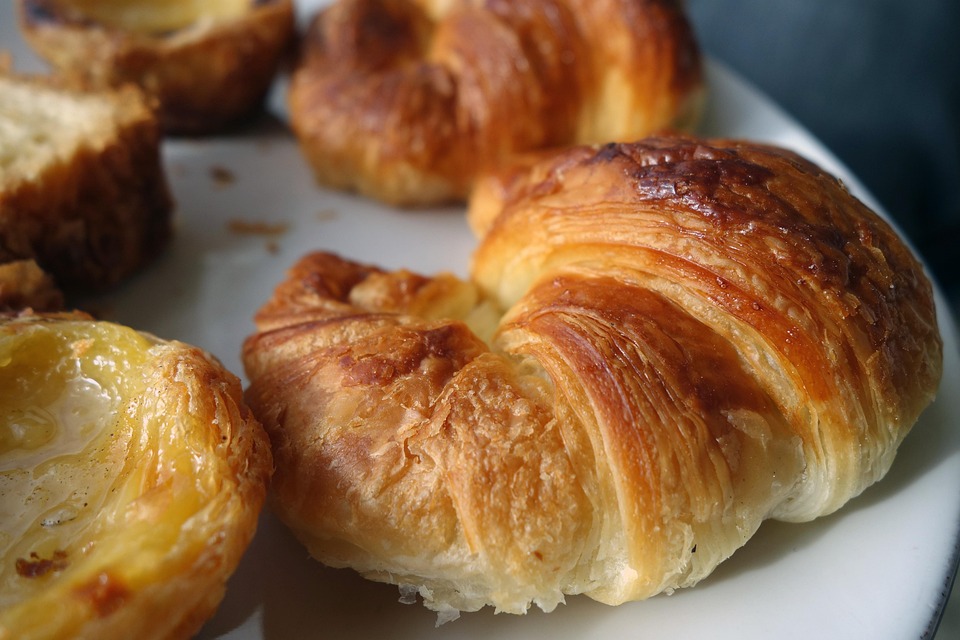
Knowing when your flaky pastry is perfectly baked requires attention to visual cues. It should be uniformly golden brown and have visibly separated layers. Listen for a hollow sound when the bottom is tapped, indicating that the pastry is fully cooked. If the bottom appears soggy, extend the baking time slightly, using a lower rack in the oven if necessary.
Common Mistakes and How to Avoid Them
Overworking the Dough
One of the most common pitfalls in making flaky pastry is overworking the dough. This leads to gluten development, resulting in a tough texture. To avoid this, mix the ingredients just until combined and handle the dough as little as possible during rolling and folding.
Inadequate Chilling
Failing to chill the dough sufficiently can cause the butter to melt into the dough, eliminating the desired layers. Ensure that the dough is well-chilled between turns and before baking to maintain its structure.
Uneven Rolling
Uneven rolling can lead to uneven baking and inconsistent layers. Take care to roll the dough evenly, applying consistent pressure across the entire surface. If the dough becomes too soft during rolling, return it to the refrigerator to firm up.
Conclusion
Mastering flaky pastry is a rewarding pursuit that combines artistry and technique. By understanding the role of each ingredient, honing your technique, and avoiding common pitfalls, you can achieve perfect flaky pastry every time. Whether you’re a seasoned baker or a novice, the journey to mastering flaky pastry is filled with delicious rewards. With practice, patience, and a passion for baking, you can create pastries that are as beautiful as they are delectable, delighting family and friends with every buttery, flaky bite.
#ChatGPT assisted in the creation of this article.