Pastry making is an art that requires precision, patience, and practice. Among the key factors that determine the success of your pastry is the baking temperature. The right temperature can be the difference between a flaky, golden crust and a soggy, undercooked disappointment. This article delves into the realm of pastry baking, offering insights into the optimal temperatures needed to achieve perfection in various types of pastries.
The Science Behind Baking Temperatures
Baking is a chemical process that transforms dough into a delicious, edible structure. Heat causes the proteins and starches in the dough to set, creating the structure of the pastry. Fats melt, creating layers and contributing to flakiness, while sugar caramelizes, adding sweetness and color. The precise temperature at which these transformations occur can greatly affect the final product. Understanding the science of these processes is crucial for mastering pastry baking.
Optimal Temperatures for Different Types of Pastries
Puff Pastry
Puff pastry is renowned for its light, airy layers, achieved through the technique of laminating dough with butter. The ideal baking temperature for puff pastry is between 375°F and 400°F (190°C and 200°C). This range allows the butter to steam and create layers without melting completely and seeping out. Baking at this temperature ensures the pastry rises evenly and develops a crisp, golden exterior.
Shortcrust Pastry
Shortcrust pastry is used for tarts and pies, offering a tender and crumbly texture. The optimal baking temperature for shortcrust pastry is typically around 350°F (175°C). Baking at this temperature ensures that the fats melt slowly, creating a tender crumb without becoming greasy. Blind baking, often required for pie crusts, should also be done at this temperature to prevent sogginess.
Choux Pastry
Choux pastry, used for éclairs and profiteroles, requires a sudden burst of heat to create the characteristic hollow center. Begin baking choux pastry at 425°F (220°C) for the first 10 minutes to ensure a rapid rise, then lower the temperature to 375°F (190°C) for the remainder of the baking time. This method helps the pastry to set without collapsing as it cools.
Filo Pastry
Filo pastry is known for its delicate, paper-thin layers. The optimal temperature for baking filo pastry is around 350°F (175°C). This gentle heat allows the pastry to crisp up without burning. Filo pastries, often brushed with butter or oil, require even heat distribution to achieve the signature flaky texture.
Factors Influencing Baking Temperatures
Several factors can influence the optimal baking temperature for pastries. Oven type and accuracy, altitude, and ingredient variations can all impact baking outcomes. Always preheat your oven thoroughly and consider using an oven thermometer to ensure accuracy. Additionally, adjustments might be necessary based on the specific recipe or environmental conditions.
Practical Tips for Perfect Pastries
Use of Thermometers
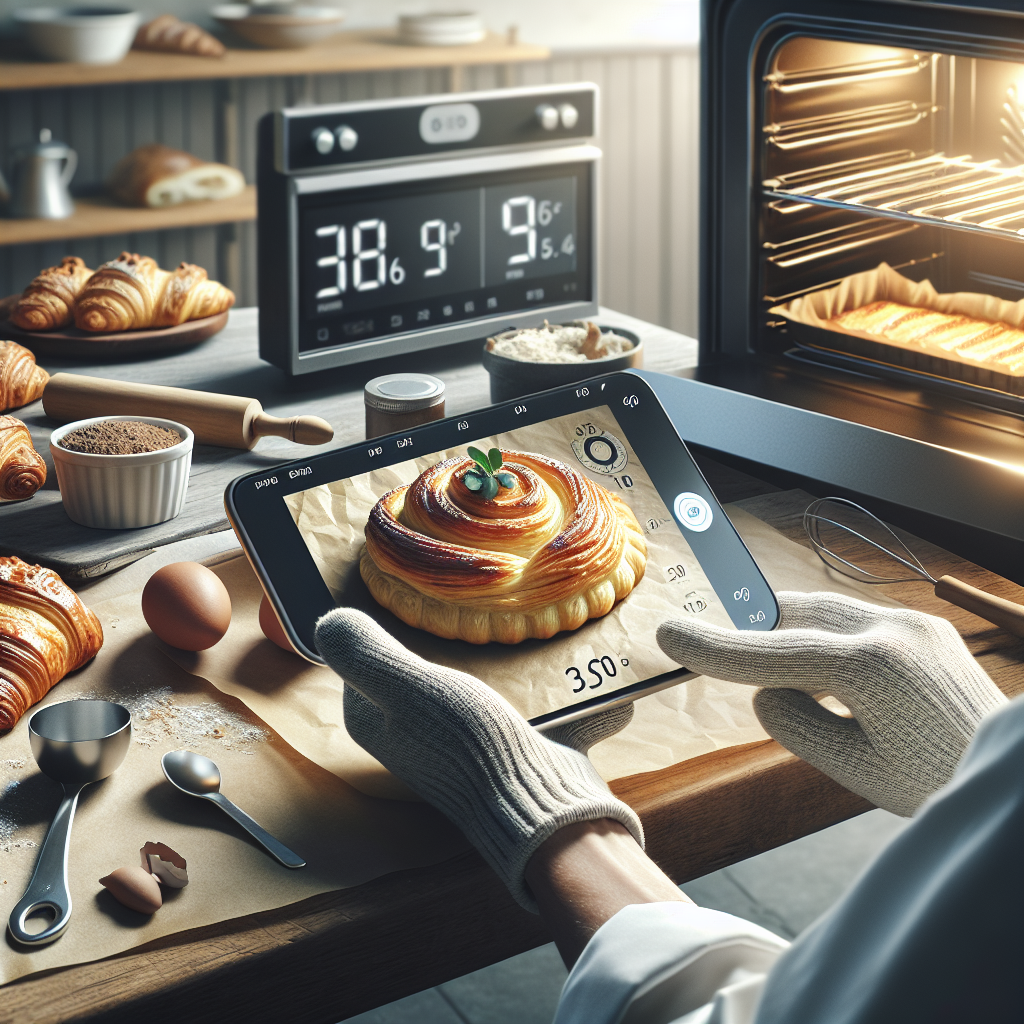
An oven thermometer is an essential tool for any baker. Many ovens do not heat evenly or accurately, so relying solely on your oven’s dial can lead to inconsistent results. By using a thermometer, you can ensure your oven is at the correct temperature before you start baking.
Understanding Your Oven
Every oven has its quirks, from hot spots to uneven heating. Spend some time getting to know your oven’s tendencies. Rotating pans halfway through baking can help counteract uneven heating, and placing a baking stone in the oven can help maintain consistent heat.
Resting and Chilling
Resting and chilling dough before baking can significantly impact the quality of your pastry. Allowing dough to rest relaxes the gluten, resulting in a more tender product. Chilling the dough firms up the fats, which promotes flakiness and helps the pastry hold its shape during baking.
Conclusion
Mastering the art of pastry involves understanding the delicate balance of ingredients, techniques, and temperatures. By paying close attention to baking temperatures and the specific needs of different pastry types, you can elevate your baking skills and consistently produce perfect pastries. With practice and patience, you can transform simple ingredients into extraordinary creations, delighting all who experience your culinary masterpieces.
Further Reading and Resources
For those eager to dive deeper into the world of pastries, consider exploring various resources such as cookbooks, online baking forums, and pastry workshops. Learning from experienced bakers and experimenting with different techniques can further enhance your skills and understanding of this delectable art form.
#ChatGPT assisted in the creation of this article.