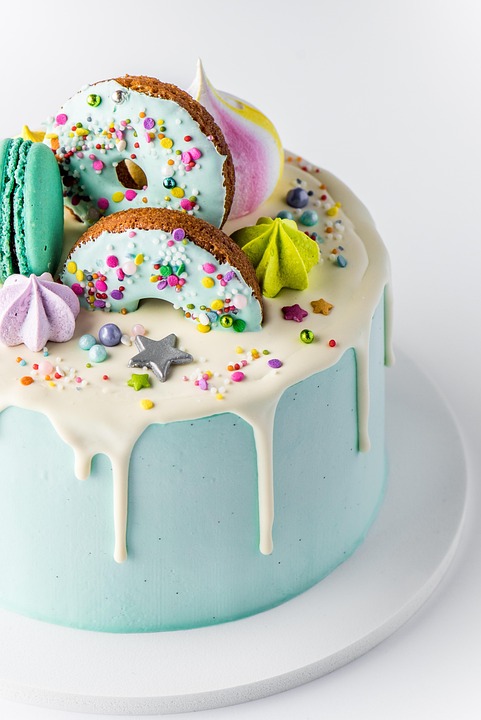
Baking is an art and a science, combining creativity with precision. For beginners, stepping into the world of baking can be both exciting and daunting. However, with the right tools, the process becomes much more manageable and enjoyable. This article will guide you through the essential baking tools every beginner needs to succeed, ensuring that your culinary creations are not only delicious but also beautifully crafted.
Measuring Tools
Accurate measurements are crucial in baking, as even a slight deviation can affect the outcome of your baked goods. Here are the fundamental measuring tools you need:
Measuring Cups
Invest in a set of both dry and liquid measuring cups. Dry measuring cups are used for ingredients like flour and sugar, while liquid measuring cups are essential for liquids like milk and oil. A set that includes 1/4, 1/3, 1/2, and 1 cup measurements is ideal.
Measuring Spoons
Just as important as measuring cups, measuring spoons ensure precision for smaller quantities of ingredients such as baking powder, baking soda, and spices. A standard set usually includes 1/4 teaspoon, 1/2 teaspoon, 1 teaspoon, and 1 tablespoon.
Mixing Tools
Mixing is a fundamental part of baking, and having the right tools makes it easier to achieve the perfect consistency:
Mixing Bowls
A set of mixing bowls in various sizes is indispensable. Stainless steel, glass, or plastic bowls are popular choices. They should be sturdy and easy to clean. Having multiple bowls allows you to separate wet and dry ingredients, which is often required in baking.
Whisk
A whisk is essential for incorporating air into your mixtures, particularly for beating eggs or making whipped cream. Choose a sturdy whisk with a comfortable handle for ease of use.
Electric Mixer
While a hand whisk is useful, an electric mixer can save time and effort, especially for denser doughs or when you need to cream butter and sugar thoroughly. Beginners can start with a hand mixer, which is affordable and versatile.
Baking Pans and Sheets
The right baking pans and sheets are crucial for achieving the correct texture and appearance of your baked goods:
Baking Sheets
Also known as cookie sheets, these are essential for cookies, pastries, and even roasting. Choose heavy-duty, non-stick sheets that ensure even heat distribution and easy cleanup.
Cake Pans
Start with a basic set of round cake pans, typically 8 or 9 inches in diameter. These are versatile for layer cakes, brownies, and more. Non-stick or silicone pans make for easier release of baked goods.
Muffin Tin
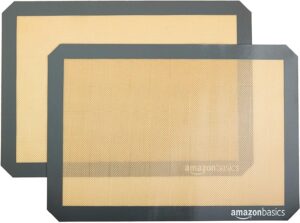
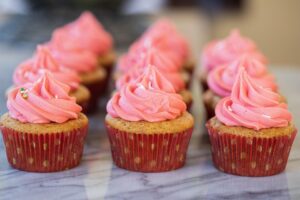
A standard 12-cup muffin tin is perfect for cupcakes, muffins, and even savory dishes like mini quiches. Silicone liners or non-stick coatings can help with easy release and cleanup.
Preparation Tools
Proper preparation tools can greatly influence the ease and success of your baking process:
Rolling Pin
Whether you’re making pie crusts or cookies, a good rolling pin is essential. Beginners might find a wooden or silicone rolling pin easiest to handle and clean.
Sifter
A sifter or fine-mesh sieve is necessary for aerating flour and other dry ingredients, ensuring a lump-free batter. It’s particularly useful for delicate cakes and pastries.
Pastry Brush
Useful for applying egg wash, butter, or glazes, a pastry brush is a small yet versatile tool. Choose one with natural or silicone bristles that are easy to clean.
Cutting and Shaping Tools
These tools aid in achieving the desired shapes and sizes for your baked goods:
Bench Scraper
A bench scraper is perfect for dividing dough, transferring ingredients, and cleaning surfaces. It’s an inexpensive tool that greatly enhances efficiency in the kitchen.
Cookie Cutters
While not strictly essential, cookie cutters offer fun and creativity, especially for holiday baking. Start with a basic set of round cutters, then expand to seasonal shapes.
Finishing Tools
Presentation is important in baking, and the right finishing tools can help you achieve a professional look:
Cooling Rack
Allowing baked goods to cool evenly is crucial to maintaining texture and preventing sogginess. A wire cooling rack elevates your baked items, allowing air to circulate beneath them.
Offset Spatula
Perfect for frosting cakes and spreading batter, an offset spatula is a versatile tool that provides greater control and precision. Choose one with a comfortable grip and a blade that suits your needs.
Piping Bags and Tips
These tools are essential for decorating cakes, cupcakes, and pastries. Beginners can start with a reusable silicone bag and a few basic tips to experiment with different designs.
Additional Handy Tools
While the above tools form the core of a beginner’s baking kit, a few additional tools can enhance your baking experience:
Digital Scale
Although not mandatory, a digital scale offers accuracy that surpasses measuring cups, especially for ingredients like flour and sugar. It’s particularly useful when trying recipes from different countries that use weight measurements.
Thermometer
A kitchen thermometer ensures that your baked goods are cooked to perfection, particularly for bread and custards. An instant-read digital thermometer is a versatile choice.
Conclusion
Baking can be a wonderfully rewarding hobby, and with the right tools, beginners can set themselves up for success from the start. By investing in quality measuring, mixing, baking, preparation, cutting, shaping, and finishing tools, you’ll not only improve your baking skills but also enhance the overall experience. Remember, practice makes perfect, and over time, you’ll discover which tools and techniques work best for you. Happy baking!
#ChatGPT assisted in the creation of this article.