
Baking bread at home is a rewarding and satisfying hobby that has surged in popularity, especially as people look for ways to create homemade, healthy, and delicious food. Achieving the perfect loaf requires not just the right ingredients but also the right tools and equipment. Whether you are a novice baker or a seasoned pro, having the essential bread baking tools can make a significant difference in the quality and ease of your bread-making process. In this guide, we will explore the must-have tools that every home baker should consider for perfect homemade loaves.
Mixing Tools
Mixing Bowls
Mixing bowls are fundamental to any kitchen, and for bread baking, they are indispensable. Opt for a set of bowls in various sizes to accommodate different recipes. Stainless steel or glass bowls are preferable as they are durable, easy to clean, and do not retain odors or stains. Make sure the bowls are large enough to handle the dough’s expansion during rising.
Wooden Spoon or Dough Whisk
A sturdy wooden spoon is excellent for mixing ingredients, but for serious bakers, a dough whisk might be even better. Designed specifically for bread making, a dough whisk has a unique coil shape that makes blending thick doughs easier and more efficient without overworking the gluten. This tool helps in achieving a perfect blend without the mess that often comes with sticky dough.
Kneading and Rising Tools
Bench Scraper
A bench scraper is a versatile tool that aids in kneading, cutting, and transferring dough. It helps in managing sticky dough by scraping it off surfaces and folding it during kneading. Additionally, it can be used to clean the workspace and divide dough portions evenly.
Silicone Baking Mat
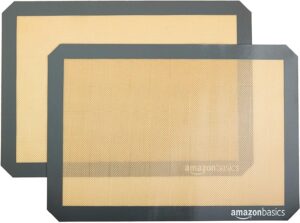
A silicone baking mat is a reusable, non-stick surface ideal for kneading and rolling out dough. It keeps your countertop clean and provides a consistent surface to work on. The non-stick nature of silicone mats ensures that dough doesn’t stick, reducing the need for excess flour that can alter the dough’s texture.
Proofing Basket (Banneton)
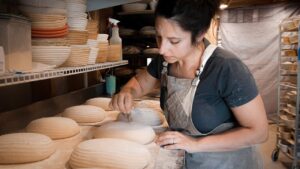
Proofing baskets, or bannetons, are essential for giving your bread its final shape during the last rise. They are made from rattan and create beautiful spiral patterns on the dough. The baskets support the dough as it proofs, helping to maintain its shape and providing the perfect environment for fermentation, which contributes to an excellent crust and crumb structure.
Baking Tools
Baking Stone or Steel
A baking stone or steel is crucial for achieving a crisp, well-baked crust. These tools absorb and retain heat, providing a consistent and high-temperature baking surface that mimics a traditional bread oven. Place the stone or steel in the oven while it preheats to ensure maximum heat retention when you place your dough on it.
Loaf Pan
While free-form loaves such as boules and batards can be baked directly on a stone or steel, a loaf pan is essential for sandwich breads and other shaped loaves. Choose pans made from heavy-duty, non-stick materials for even heat distribution and easy release. A standard 9×5 inch pan is versatile and suitable for most recipes.
Razor Blade or Lame
Scoring the dough is a critical step in bread baking that allows the loaf to expand without tearing during baking. A sharp razor blade or a purpose-built lame is perfect for this task. It enables you to make clean, precise slashes that enhance both the bread’s appearance and its baking quality by directing the expansion.
Measuring and Timing Tools
Digital Scale
Accuracy is paramount in baking, and a digital scale ensures you measure ingredients precisely. Unlike volume measurements, weighing ingredients provides consistency and reliability, especially for flour, which can vary greatly in volume. A digital scale is a small investment that yields significant improvements in your baking results.
Thermometer
A kitchen thermometer serves multiple purposes in bread baking. It helps check the water temperature before mixing it with yeast to ensure optimal fermentation. Moreover, a probe thermometer is invaluable for checking the bread’s internal temperature to confirm doneness, ensuring your loaf is baked to perfection.
Timer
Timing is critical in bread baking, from proofing to baking. A reliable kitchen timer helps you keep track of these stages, ensuring you don’t overproof or underbake your bread. While most ovens have built-in timers, having a separate one can be useful, especially if you are managing multiple tasks in the kitchen.
Finishing and Storage Tools
Cooling Rack
Once baked, bread should be cooled on a wire rack to prevent the bottom from becoming soggy. A cooling rack allows air to circulate around the loaf, ensuring even cooling and maintaining the crust’s crispness. Choose a sturdy rack that can support the weight of your loaves and is easy to clean.
Bread Knife
A good bread knife is essential for slicing through your freshly baked loaf without crushing it. Look for a knife with a serrated edge and a comfortable handle. A long blade is preferable as it can handle larger loaves with ease. Regular sharpening ensures clean cuts every time.
Bread Box or Bread Bag
Proper storage is key to maintaining the freshness of your homemade bread. A bread box provides a controlled environment that keeps bread at optimal humidity, extending its shelf life. Alternatively, a cloth bread bag can also prevent the loaf from drying out while allowing some air circulation to keep the crust crisp.
Conclusion
Arming yourself with the right tools is an investment in your bread-baking journey. While the list of essential tools might seem extensive, each piece plays a crucial role in ensuring that your homemade bread turns out perfectly every time. From mixing to baking, proofing to slicing, these tools will help you achieve bakery-quality loaves in the comfort of your own kitchen. As you become more experienced, you can expand your tool collection to include more specialized equipment, but with these essentials, you are well-equipped to start baking beautiful, delicious bread at home.
#ChatGPT assisted in the creation of this article.