Baking is as much a science as it is an art. The precision required in measuring ingredients can significantly impact the outcome of your baked goods. While traditional methods of measuring ingredients using cups and spoons are prevalent, they often fall short in delivering the accuracy needed for optimal results. Enter the kitchen scale—a tool that can revolutionize your baking experience by ensuring consistency, precision, and ultimately, better results.
The Importance of Precision in Baking
Baking is unique among culinary arts in its demand for precision. A slight deviation in the amount of flour, sugar, or other key ingredients can alter the texture, flavor, and appearance of your baked goods. Unlike cooking, where you can adjust flavors and textures as you go, baking requires exact measurements from the start. This is where a kitchen scale becomes an indispensable tool.
Consistency and Accuracy
The primary advantage of using a kitchen scale is the consistency it provides. Measuring by volume, such as with cups and spoons, can be highly variable depending on how the ingredient is packed or scooped. A cup of flour, for instance, can weigh anywhere from 120 to 150 grams depending on how it’s measured. A kitchen scale eliminates this variability by measuring ingredients by weight, ensuring you achieve the same results every time.
Better Results
Using a kitchen scale can lead to better-tasting and better-textured baked goods. When ingredients are measured accurately, recipes can be executed as intended, leading to consistent outcomes. This precision is particularly important in professional settings where consistency is key, but it is equally valuable for home bakers seeking to improve their craft.
How to Use a Kitchen Scale
Using a kitchen scale is simple and straightforward, yet it can transform the way you bake. Here’s a step-by-step guide to get you started:
Choosing the Right Scale
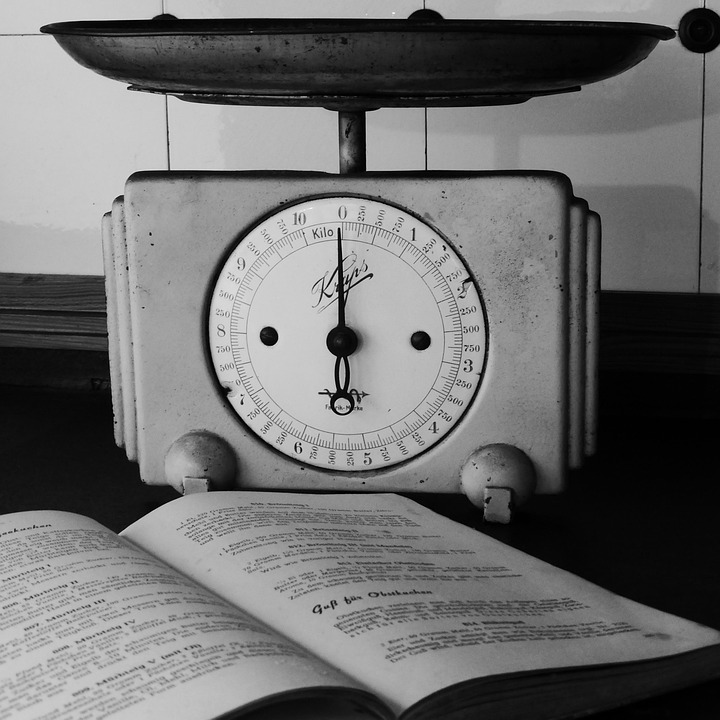
When selecting a kitchen scale, consider factors such as capacity, precision, and ease of use. Digital scales are generally preferred for their accuracy and ease of reading. Look for a scale that can measure in grams and ounces, has a tare function (which allows you to reset the scale to zero after placing a container on it), and is easy to clean and store.
Weighing Ingredients
– **Step 1:** Place your bowl or container on the scale and press the tare button to zero out the weight.
– **Step 2:** Add your first ingredient until you reach the desired weight. Note the measurement and press tare again if you’re adding more ingredients to the same container.
– **Step 3:** Repeat the process for each ingredient as required by your recipe.
Converting Recipes
Many recipes list ingredients by volume, but converting them to weight is straightforward. Use a conversion chart to find the weight equivalent of the volume measurements in your recipe. Remember, 1 cup of all-purpose flour typically equals about 125 grams, while 1 cup of granulated sugar equals roughly 200 grams. Having a reliable conversion chart or app on hand can be a great help.
Benefits of Using a Kitchen Scale in Baking
Beyond precision and consistency, using a kitchen scale offers several other benefits that can enhance your baking experience.
Efficiency and Speed
Measuring by weight can be quicker than measuring by volume, especially when dealing with multiple ingredients. Instead of leveling off cups and spoons, you simply add ingredients until you reach the desired weight. This efficiency can save time, particularly in complex recipes with many components.
Less Cleanup
Since you can measure multiple ingredients in the same bowl by taring the scale, you reduce the number of measuring cups and spoons that need washing. This means less cleanup and more time enjoying your baked creations.
Accurate Scaling of Recipes
Scaling recipes up or down becomes much more straightforward when using a kitchen scale. Simply multiply or divide the weight of each ingredient according to your needs, ensuring that the proportions remain consistent.
Common Mistakes to Avoid
While using a kitchen scale is generally foolproof, there are a few common mistakes to be aware of:
Not Taring Properly
Forgetting to tare the scale can lead to inaccurate measurements. Always ensure the scale is set to zero after placing your container or between adding different ingredients.
Ignoring Calibration
Over time, a kitchen scale can drift out of calibration, leading to inaccurate measurements. Periodically check your scale’s accuracy using a known weight, like a calibration weight or a packaged item with a marked weight.
Neglecting to Convert Units
Be mindful of the units of measurement in your recipe. Ensure your scale is set to the correct unit (grams or ounces) to match the recipe’s requirements.
Enhancing Your Baking Skills
Mastering the use of a kitchen scale is a crucial step in enhancing your baking skills. With consistent results, you can experiment more confidently, knowing that your measurements are accurate. This reliability allows you to focus on refining techniques and exploring new recipes without the uncertainty of measurement errors.
Building Confidence
As you become more familiar with using a kitchen scale, your confidence in the kitchen will grow. This confidence is invaluable, as it encourages experimentation and creativity, allowing you to push the boundaries of traditional recipes and develop your own unique creations.
Exploring New Recipes
Many professional and international recipes list ingredients by weight rather than volume. By using a kitchen scale, you open yourself up to a wider array of recipes, broadening your baking repertoire and allowing you to explore diverse culinary traditions.
Conclusion
In the world of baking, precision is paramount. A kitchen scale is an essential tool for any baker, whether novice or professional, seeking to achieve consistent, high-quality results. By investing in a reliable kitchen scale and incorporating it into your baking routine, you can master the art and science of baking with precision and confidence. Embrace the accuracy of weight measurements, and elevate your baking to new heights. Whether you’re crafting a delicate soufflé or a hearty loaf of bread, a kitchen scale can be your guide to success, ensuring that every bake is a masterpiece.
#ChatGPT assisted in the creation of this article.