
Baking is both an art and a science, requiring the right tools to achieve the perfect results. Among the essential tools in a baker’s arsenal are baking pans. Selecting the right baking pan can be the difference between a perfectly baked cake and a culinary mishap. This guide will explore the various types of baking pans, materials, and factors to consider when choosing the best one for your baking needs.
Types of Baking Pans
Baking pans come in a variety of shapes and sizes, each designed for specific types of baked goods. Understanding the purpose of each type will help you make an informed decision.
Cake Pans
Cake pans are typically round and come in various diameters and depths. They are perfect for baking layered cakes. Common sizes include 8-inch and 9-inch pans. Springform pans are a subset, ideal for cheesecakes, because their removable sides make it easy to release delicate cakes.
Loaf Pans
Loaf pans are rectangular and are used for baking bread and pound cakes. They come in various sizes, with the most common being 9×5 inches. Mini loaf pans are also popular for individual servings.
Muffin Pans
Muffin pans, also known as cupcake pans, have multiple cups and are used for baking muffins and cupcakes. Standard pans have 12 cups, but mini and jumbo sizes are also available, catering to different serving sizes.
Sheet Pans
Sheet pans, or baking sheets, are flat and come in full, half, and quarter sheet sizes. They are versatile, used for baking cookies, roasting vegetables, and more. Rimmed sheet pans are particularly popular for their ability to contain juices and prevent spills.
Pie Pans
Pie pans are round with a sloped edge, designed specifically for baking pies. They typically have a diameter of 8 to 10 inches. Glass, ceramic, and metal pie pans each offer different baking qualities.
Materials of Baking Pans
The material of a baking pan affects heat conductivity, baking time, and the final texture of your baked goods. Here are some common materials used in baking pans:
Aluminum
Aluminum pans are known for their excellent heat conductivity and even baking. They are lightweight and usually affordable. However, they can react with acidic ingredients, potentially altering the taste of your baked goods.
Stainless Steel
Stainless steel pans are durable and resistant to rust and corrosion. They do not conduct heat as well as aluminum, which can result in uneven baking if not monitored closely.
Non-Stick
Non-stick pans are treated with a coating that prevents baked goods from sticking, making for easy release and cleanup. While convenient, they require careful handling to avoid scratching the coating, which can reduce their lifespan.
Glass
Glass pans retain heat well and allow for even baking. They are non-reactive, making them suitable for acidic ingredients. However, they can be heavy and are prone to breaking if mishandled.
Ceramic
Ceramic pans are stylish and provide even heat distribution. Like glass, they are non-reactive and excellent for slow, even baking. They can be heavy and are susceptible to chipping.
Silicone
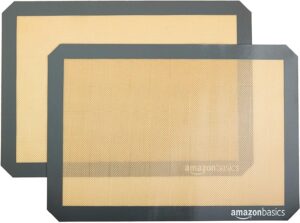
Silicone pans are flexible, making them easy to store and perfect for intricate shapes. They are non-stick and easy to clean. However, they may not provide the same level of browning as metal pans.
Factors to Consider When Choosing Baking Pans
When selecting a baking pan, consider the following factors to ensure you choose the best one for your needs:
Purpose
Determine what you will primarily use the pan for. Different baked goods require different types of pans, as previously detailed. Understanding your primary baking goals will guide your choice.
Size
The size of the pan can affect cooking time and the final outcome of your bake. Ensure you have the right size pan for your recipes, as using a pan that is too large or too small can alter the texture and rise of your bake.
Material
Consider the pros and cons of each material and how it aligns with your baking style and maintenance preferences. For example, if you prioritize easy cleaning, a non-stick or silicone option may be best.
Heat Conductivity
Good heat conductivity ensures even baking. Metals like aluminum are excellent conductors, while glass and ceramic retain heat well. Choose based on your preference for bake quality and speed.
Durability
Evaluate the durability of the pan based on material and construction quality. Durable pans will withstand frequent use and maintain their performance over time.
Maintenance and Care Tips
Proper maintenance can extend the life of your baking pans. Here are some care tips:
- Always follow the manufacturer’s care instructions.
- Avoid using metal utensils on non-stick surfaces to prevent scratching.
- Hand wash pans when possible to maintain their finish and integrity.
- Dry pans thoroughly to prevent rust, especially in metal pans.
- For silicone pans, ensure they are completely dry before storage to prevent mold.
Conclusion
Choosing the best baking pan involves understanding the different types, materials, and your specific baking needs. By considering the factors discussed in this guide, you can select the perfect baking pan to enhance your baking experience and achieve delicious results every time. Whether you’re a seasoned baker or just starting, the right baking pan is an investment in your culinary success.
#ChatGPT assisted in the creation of this article.