In the world of bread making, rye bread stands out as a staple that boasts both a rich history and a distinctive flavor profile. This guide will take you through the journey of creating the ultimate rye bread, perfect for those who appreciate artisan loaves. Whether you’re a novice baker or an experienced one, this step-by-step recipe will help you achieve a crusty, flavorful rye bread that’s ideal for sandwiches, toasting, or simply enjoying on its own.
A Brief History of Rye Bread
Rye bread has been a dietary staple in many cultures, particularly in Eastern and Northern Europe, for centuries. Its origins can be traced back to the Roman Empire, where it was first cultivated. Rye’s resilience to cold climates made it a popular grain in regions where wheat struggled to grow. The bread’s dense texture and robust flavor have made it a favorite among those seeking a hearty and wholesome bread experience.
The Unique Characteristics of Rye Flour
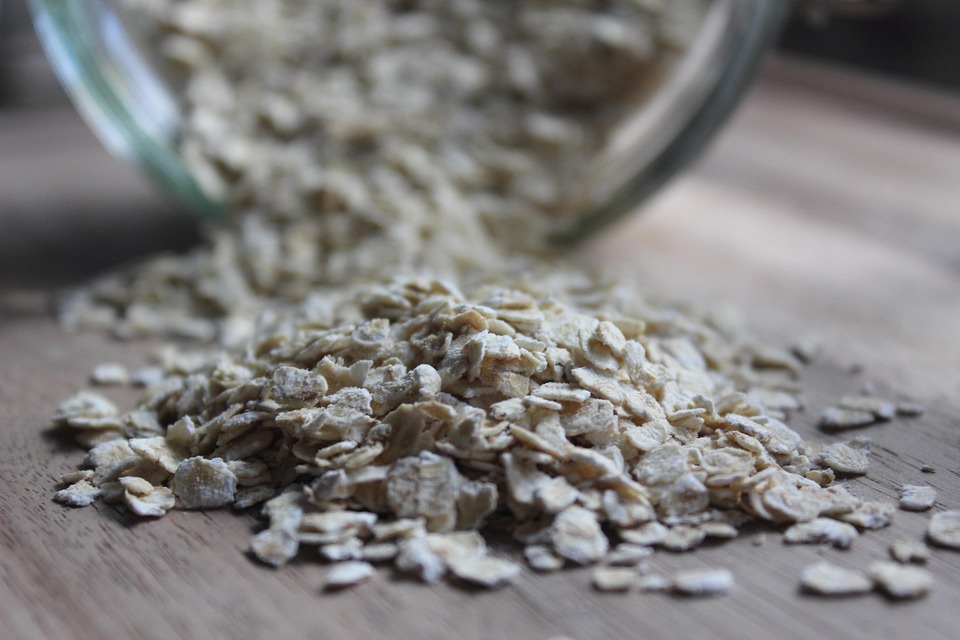
Rye flour differs significantly from wheat flour in terms of composition and functionality. It contains less gluten, which results in a denser loaf. The presence of pentosans—a type of polysaccharide—contributes to the bread’s unique texture and moisture retention. Additionally, rye flour has a distinct flavor, often described as earthy or slightly sour, which pairs beautifully with assorted toppings and spreads.
Essential Ingredients for the Ultimate Rye Bread
Creating the perfect rye bread begins with selecting the right ingredients. Here’s what you’ll need:
- Rye Flour: Choose a high-quality rye flour for authentic taste and texture. Whole-grain rye flour will provide more flavor, while light rye flour will yield a milder loaf.
- All-Purpose Flour: Balances the density of the rye flour and provides necessary gluten for structure.
- Water: Use lukewarm water to activate the yeast without killing it.
- Active Dry Yeast: Essential for leavening the bread.
- Salt: Enhances the bread’s flavor and regulates yeast activity.
- Caraway Seeds (optional): Adds a traditional flavor often associated with rye bread.
- Molasses or Honey: Adds a subtle sweetness and deepens the bread’s color.
Step-by-Step Recipe for Artisan Rye Bread
Preparing the Starter (Preferment)
A starter is crucial for developing the bread’s flavor and structure. Here’s how to prepare it:
- Mix 100g of rye flour with 100g of water and a pinch of yeast in a bowl.
- Cover loosely and let it sit at room temperature for 12-24 hours. The starter should be bubbly and have a pleasant sour aroma.
Mixing the Dough
Once your starter is ready, proceed with the dough:
- In a large bowl, combine 200g of the prepared starter with 300g of rye flour, 200g of all-purpose flour, and 350g of lukewarm water.
- Add 10g of salt, 1 tablespoon of molasses or honey, and 1 teaspoon of caraway seeds if using.
- Mix the ingredients until a sticky dough forms. You can use a stand mixer with a dough hook or mix by hand.
Kneading and Bulk Fermentation
Due to rye’s low gluten content, kneading is minimal:
- Transfer the dough to a floured surface and knead gently for about 5 minutes.
- Place the dough in a lightly oiled bowl, cover it, and let it rise at room temperature for 1-2 hours, or until it doubles in size.
Shaping the Loaf
Once the dough has risen, it’s time to shape it:
- Gently deflate the dough and transfer it to a floured surface.
- Shape it into a round or oval loaf, depending on your preference.
- Place the shaped loaf on a parchment-lined baking sheet or in a floured banneton (proofing basket).
Final Proof and Baking
The final proof and baking will bring your rye bread to life:
- Cover the loaf and let it proof for another 1-2 hours.
- Preheat your oven to 450°F (230°C) with a baking stone or an inverted baking sheet inside.
- Before baking, score the loaf with a sharp blade to allow steam to escape and the bread to expand.
- Transfer the loaf to the hot stone or baking sheet and bake for 30-35 minutes, or until the crust is deep brown and the internal temperature reaches 200°F (93°C).
Tips for Perfecting Your Rye Bread
Achieving the perfect rye bread requires attention to detail and a bit of practice. Consider these tips:
- Hydration: Rye flour absorbs more water than wheat flour. Adjust the hydration level as needed to achieve a sticky but manageable dough.
- Temperature Control: Keep an eye on the dough’s temperature during fermentation. Cooler temperatures will slow down the process, enhancing flavor.
- Resting Time: Allow the bread to cool completely on a wire rack before slicing. This ensures the crumb sets and retains its structure.
Serving and Storing Rye Bread
Rye bread is incredibly versatile and pairs well with various toppings. Consider serving it with:
- Smoked salmon and cream cheese for a classic combination.
- Butter and honey for a sweet twist.
- Hearty soups or stews for a comforting meal.
For storage, wrap the cooled loaf in a cloth or place it in a paper bag. Avoid plastic bags as they can make the crust soggy. Rye bread generally keeps well at room temperature for several days and can be frozen for longer storage.
Conclusion
Creating the ultimate rye bread is a rewarding experience that combines tradition, technique, and taste. By following this recipe and incorporating the tips provided, you’ll be well on your way to baking a loaf that’s both delicious and visually stunning. Whether you enjoy it as a daily staple or a special treat, rye bread offers a unique and satisfying addition to your artisan baking repertoire. Happy baking!
“`
#ChatGPT assisted in the creation of this article.