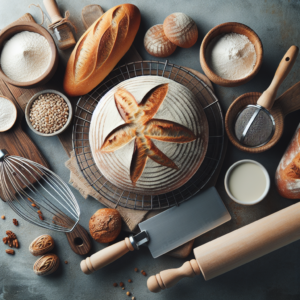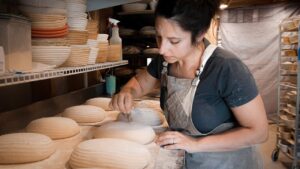

Bread proofing is a crucial step in the bread-making process, where dough is allowed to rise before baking. It is during this fermentation phase that yeast interacts with sugars in the flour, producing carbon dioxide and alcohol, which contribute to the texture and flavor of the bread. Understanding and mastering proofing techniques can significantly elevate your bread baking, resulting in loaves that are airy, flavorful, and perfectly textured.
The Science of Proofing
At the heart of bread proofing is fermentation, a process where yeast consumes sugars and releases carbon dioxide and alcohol. This not only helps the dough rise but also imparts complex flavors. The temperature, humidity, and time are the key variables that affect proofing. By controlling these factors, bakers can influence the final characteristics of their bread.
Role of Yeast
Yeast is a living organism that thrives on sugars found in flour. During proofing, it multiplies and produces carbon dioxide, which gets trapped in the dough’s gluten network, causing it to expand. Selecting the right type of yeast and knowing how it behaves under various conditions is crucial for successful proofing.
Temperature and Humidity
Optimum proofing occurs at temperatures between 75°F to 85°F (24°C to 29°C). Too cold, and the yeast will become sluggish; too hot, and it may die or ferment too quickly, leading to off-flavors. Humidity also plays a vital role, as it prevents the dough from drying out. A humid environment helps keep the dough surface moist and elastic.
Types of Proofing
There are primarily two stages of proofing in bread making: bulk fermentation and final proofing. Each stage serves a unique purpose and requires specific conditions.
Bulk Fermentation
This is the first rise, where the dough is allowed to rest and ferment after initial mixing and kneading. During this stage, the gluten develops, and flavors start to build. It’s essential to fold the dough periodically to strengthen the gluten network and evenly distribute yeast and sugars.
Final Proofing
After shaping the dough, it undergoes a final rise before baking. This stage focuses on achieving the right dough volume and texture. It’s crucial to monitor the dough closely during this phase to prevent over-proofing, which can lead to a weak structure and poor oven spring.
Techniques for Perfect Proofing
Achieving the perfect proof requires understanding the dough’s readiness, using the right equipment, and timing the process accurately.
Finger Dent Test
To determine if your dough is ready, use the finger dent test. Gently press your finger into the dough; if it springs back slowly and leaves a slight dent, the dough is properly proofed. If it springs back quickly, it needs more time. If it doesn’t spring back at all, it might be over-proofed.
Using a Proofing Box
A proofing box provides a controlled environment with consistent temperature and humidity, ideal for proofing dough. If you don’t have a proofing box, you can create a makeshift one by placing the dough in an oven with the light on or a bowl of hot water to maintain warmth.
Cold Fermentation
For additional flavor complexity, consider cold fermentation, where the dough is proofed in the refrigerator for an extended period. This slow fermentation allows for more nuanced flavors and a chewier texture.
Common Proofing Mistakes and How to Avoid Them
Understanding common proofing mistakes can help you avoid them and ensure consistently good results.
Over-proofing
Dough that is left to rise for too long can become over-proofed, leading to a loaf that collapses and has a dense texture. To avoid this, keep a close eye on your dough, especially during the final proofing stage.
Under-proofing
Under-proofed dough hasn’t had enough time to develop the necessary gas and structure, resulting in a dense, tight crumb. Ensure your dough has doubled in volume during bulk fermentation and passes the finger dent test before baking.
Tips for Improving Your Proofing Technique
Mastering proofing requires practice and attention to detail. Here are some tips to refine your technique:
Keep a Baking Journal
Document your baking process, including proofing times, temperatures, and results. This will help you identify patterns and make necessary adjustments for future baking sessions.
Experiment with Different Flours
Different flours have varying protein contents and absorbency, affecting proofing. Experiment with different types to see how they influence your dough’s behavior and final product.
Be Patient
Patience is key in bread making. Rushing the proofing process can compromise the quality of your bread. Allow your dough the time it needs to develop flavor and structure.
Conclusion
Perfecting bread proofing is an art that combines science and intuition. By understanding the underlying principles and experimenting with different techniques, you can elevate your bread baking to new heights. Whether you’re a novice or an experienced baker, mastering proofing will ensure your bread is consistently delicious, with the perfect crumb and crust.
Additional Resources
For further reading and exploration, consider these resources:
– Books: “Flour Water Salt Yeast” by Ken Forkish, “Bread” by Jeffrey Hamelman
– Online Courses: King Arthur Baking Company, The Sourdough School
– Baking Communities: Online forums and social media groups dedicated to bread baking
About the Author
With years of experience in artisan baking, the author has a deep passion for exploring and sharing the intricacies of bread-making. Their expertise in fermentation and proofing techniques has helped countless novice bakers achieve professional-level results.
Happy Baking!
#ChatGPT assisted in the creation of this article.