
Few things in the culinary world are as satisfying as the aroma of freshly baked bread. At the heart of exquisite bread lies a process as old as time—fermentation. Mastering bread fermentation is the key to unlocking flavors that elevate a humble loaf into an extraordinary experience. In this article, we will delve into the science and art of bread fermentation, exploring its stages, the role of yeast and bacteria, and techniques to perfect your craft.
The Science Behind Fermentation
Fermentation is a metabolic process where yeast and bacteria convert carbohydrates into alcohol and carbon dioxide. In bread making, this process is crucial for developing flavor, texture, and rise. While yeast is the primary driver, lactic acid bacteria also play an essential role, especially in sourdough bread.
The Role of Yeast
Yeast, a single-celled fungus, is the powerhouse of bread fermentation. Saccharomyces cerevisiae, commonly known as baker’s yeast, is the most widely used. It feeds on sugars in the dough, producing carbon dioxide and ethanol. The carbon dioxide gets trapped in the dough’s gluten network, causing it to rise. Beyond leavening, yeast contributes to the bread’s flavor profile through the production of alcohols and organic acids.
The Role of Bacteria
Lactic acid bacteria, such as Lactobacillus, are essential in sourdough fermentation. These bacteria convert sugars into lactic and acetic acids, which add complexity to the bread’s flavor and extend its shelf life. The balance between yeast and bacteria is crucial; too much acidity can impede yeast activity, while too little can result in bland bread.
Stages of Bread Fermentation
Understanding the stages of bread fermentation is vital for mastering this craft. Each stage plays a distinct role in developing flavor, texture, and structure.
Bulk Fermentation
Bulk fermentation, also known as the first rise, is when the dough undergoes its initial fermentation after mixing. It is during this stage that the yeast and bacteria begin to flourish, producing gas and acids. The length of bulk fermentation can vary, but extending it allows for more flavor development. Temperature and hydration levels are critical factors; a cooler environment slows fermentation, while higher hydration encourages activity.
Folding and Stretching
During bulk fermentation, the dough requires periodic folding and stretching. This technique strengthens the gluten network, redistributes yeast and bacteria, and expels excess carbon dioxide. Regular folding and stretching result in a dough that is elastic and resilient, supporting better volume and texture in the final loaf.
Shaping and Final Proof
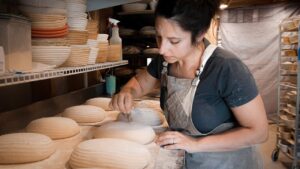
After bulk fermentation, the dough is shaped into its final form. This stage requires gentle handling to preserve the gas bubbles formed during fermentation. The shaped dough then undergoes the final proof, where it is allowed to rise in a controlled environment. The proofing time depends on the dough’s temperature and hydration, with longer proofs contributing to a more complex flavor.
Techniques for Perfect Fermentation
Achieving perfect bread fermentation requires a combination of precise techniques and intuition. It involves controlling key variables such as time, temperature, and hydration, as well as understanding the dough’s needs.
Time and Temperature Control
Time and temperature are the most critical factors in fermentation. Cooler temperatures slow down yeast activity, allowing for a longer fermentation that enhances flavor complexity. Conversely, warmer temperatures speed up fermentation, which is useful for quick breads. Bakers often use refrigeration to retard dough, extending fermentation over several hours or even days for a rich, nuanced flavor.
Hydration Levels
Hydration affects the dough’s texture and fermentation rate. Higher hydration creates a wetter, stickier dough that ferments more rapidly and produces a more open crumb with larger holes. Lower hydration results in a firmer dough, which is easier to handle but ferments more slowly. Experimenting with different hydration levels allows bakers to fine-tune the texture and flavor of their bread.
Starter Maintenance
For sourdough bread, maintaining a healthy starter is essential. A starter is a culture of wild yeast and bacteria that acts as a natural leavening agent. Regular feeding with equal parts flour and water keeps the starter active and balanced. The starter’s age and feeding schedule influence the bread’s flavor and rise, making it a crucial aspect of fermentation mastery.
Common Fermentation Challenges and Solutions
Despite careful control, fermentation can sometimes present challenges. Understanding these issues and their solutions is key to consistently producing exceptional bread.
Over-fermentation
Over-fermentation occurs when the dough ferments for too long, resulting in a sour taste and weakened gluten structure. To prevent this, monitor the dough’s rise and adjust fermentation times based on temperature and dough behavior. If over-fermentation occurs, reshaping and a shorter final proof can help salvage the dough.
Under-fermentation
Under-fermentation leads to dense loaves with insufficient flavor development. It occurs when the dough does not ferment long enough. To address this, extend fermentation times or increase the dough’s temperature. Incorporating pre-ferments, such as a poolish or biga, can also enhance flavor and improve fermentation.
Inconsistent Results
Achieving consistent fermentation results can be challenging due to variations in flour, water, and environmental conditions. Keeping detailed notes on each bake, including ingredient ratios, temperatures, and times, helps identify patterns and make necessary adjustments. Over time, this practice leads to a deeper understanding of the dough’s behavior and improves consistency.
Conclusion
Mastering bread fermentation is a journey that combines science, art, and intuition. By understanding the roles of yeast and bacteria, controlling fermentation variables, and addressing common challenges, bakers can unlock the full potential of their bread. The result is a loaf that not only rises to perfection but also bursts with flavor and character. Whether you’re a novice or an experienced baker, embracing the art of fermentation will elevate your bread-making skills and bring joy to your kitchen and table.
#ChatGPT assisted in the creation of this article.