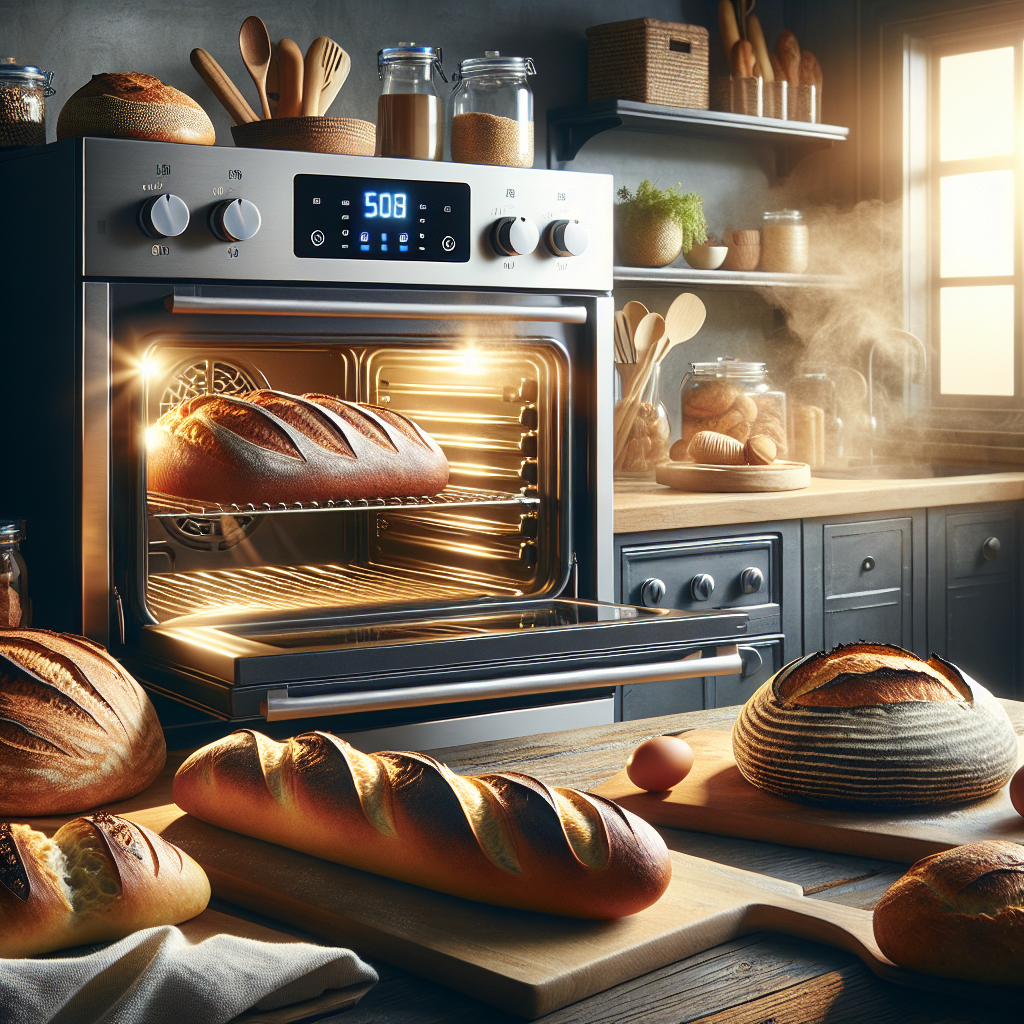
Bread baking is both an art and a science, a delicate balance of ingredients, timing, and temperature. Among these factors, temperature plays a pivotal role in determining the quality of the final product. Understanding the optimal temperatures for different stages of bread making can significantly enhance your baking results. This article delves into the science behind temperature control in bread baking, offering insights into achieving perfect results every time.
The Importance of Temperature in Bread Baking
Temperature affects every stage of bread making, from mixing the dough to baking the loaf. It influences yeast activity, dough consistency, crust formation, and crumb structure. Therefore, controlling the temperature is essential for achieving the desired bread characteristics.
Yeast Fermentation and Dough Temperature
Yeast is a living organism that requires optimal conditions to thrive. The temperature of the dough influences yeast fermentation, which is crucial for flavor development and dough rise.
Ideal Dough Temperature
The ideal dough temperature for most bread recipes is between 75°F and 78°F (24°C and 26°C). This range promotes optimal yeast activity and gluten development. If the dough is too cold, fermentation will be slow, leading to poor flavor and texture. Conversely, if the dough is too warm, it may over-ferment, resulting in sour flavors and a crumbly texture.
Adjusting Dough Temperature
To achieve the desired dough temperature, consider the following factors:
– **Water Temperature:** The temperature of the water used in the dough can be adjusted to help achieve the target dough temperature. Cooler water can be used in warm environments, while warmer water can be used in cooler environments.
– **Room Temperature:** The ambient temperature of your kitchen will affect the dough temperature. In a warm kitchen, expect the dough to rise faster, while in a cooler kitchen, it may take longer.
Baking Temperature and Oven Spring
The baking temperature is crucial for achieving the perfect oven spring, crust, and crumb.
Preheating the Oven
A well-preheated oven is essential for good bread baking. Preheat your oven for at least 30 minutes to ensure it reaches the desired temperature. This ensures a consistent baking environment and helps in achieving a good oven spring.
Optimal Baking Temperature
The optimal baking temperature varies depending on the type of bread:
– **Lean Dough Breads:** These breads, which include baguettes and ciabatta, are typically baked at higher temperatures, around 450°F to 475°F (232°C to 246°C). The high heat helps develop a crisp crust and promotes oven spring.
– **Rich Dough Breads:** Breads with higher fat content, such as brioche, are usually baked at lower temperatures, around 350°F to 375°F (177°C to 190°C). This prevents the sugar and fat in the dough from burning.
Crust and Crumb Development
The crust and crumb of the bread are directly affected by baking temperatures.
Crust Formation
A key aspect of artisan bread is its crust. A high initial baking temperature ensures a quick formation of the crust, which traps steam inside the bread, aiding in oven spring. To enhance crust development, consider using steam in the oven during the first few minutes of baking. This can be achieved by placing a pan of water in the oven or spritzing the oven walls with water.
Crumb Texture
The crumb texture is influenced by the internal temperature of the bread during baking. Most breads are fully baked when the internal temperature reaches around 190°F to 210°F (88°C to 99°C). For lean doughs, aim for the higher end of this range, while for richer doughs, the lower end is preferable.
Cooling and Storage
Once the bread is baked, it needs to cool properly to ensure the crust retains its texture and the crumb sets.
Cooling
Allow the bread to cool on a wire rack for at least an hour before slicing. This cooling period allows the moisture to redistribute within the bread, ensuring a better texture and flavor.
Storage
Store bread at room temperature in a paper bag or bread box to maintain its crust. Avoid storing bread in plastic bags, as they trap moisture and can make the crust soggy. For longer storage, consider freezing the bread, which helps retain its freshness.
Common Mistakes and Troubleshooting
Understanding common temperature-related mistakes in bread baking can help troubleshoot and improve your baking skills.
Overproofing
Overproofing occurs when the dough rises too much, often due to high fermentation temperatures. This can lead to a collapsed structure and poor texture. To prevent overproofing, monitor the dough rise closely and adjust the fermentation environment by moving the dough to a cooler spot if necessary.
Underproofing
Underproofing happens when the dough does not rise enough, resulting in dense bread with a tight crumb. Ensure your dough is proofed at the right temperature, and give it enough time to rise before baking.
Conclusion
Mastering the art of bread baking requires an understanding of the critical role temperature plays in each step of the process. By controlling dough temperatures during fermentation, setting the right baking temperature, and allowing for proper cooling, you can achieve perfect bread every time. Whether you are a novice baker or a seasoned professional, paying attention to temperature will enhance the quality and consistency of your bread. Happy baking!
“`
#ChatGPT assisted in the creation of this article.